Create a More Aligned Appearance With Transgender Hair Grafting in Pasadena

At The Standard of Modern Aesthetics (SOMA), transgender hair grafting procedures in Pasadena are performed with a focus on natural-looking restoration, facial harmony, and individualized identity goals. Hairline shape and density can significantly influence overall appearance and gender presentation. Hair grafting restores or reshapes hair using your own follicles to create softer, more feminine contours or stronger, more masculine structure, depending on your goals. Each treatment plan is tailored to your anatomy, hair pattern, and desired outcome. Schedule your consultation with SOMA to explore your personalized transgender hair grafting plan in Pasadena.

What Is Transgender Hair Grafting?

Transgender hair grafting is a surgical hair restoration procedure that transfers healthy hair follicles from one area of the scalp to areas experiencing thinning, recession, or hairline irregularities. 

The procedure can also reshape the hairline to better align with gender identity and aesthetic goals. At SOMA, transgender hair grafting procedures in Pasadena are customized to create natural-looking density and balanced hairline design.

Banner media
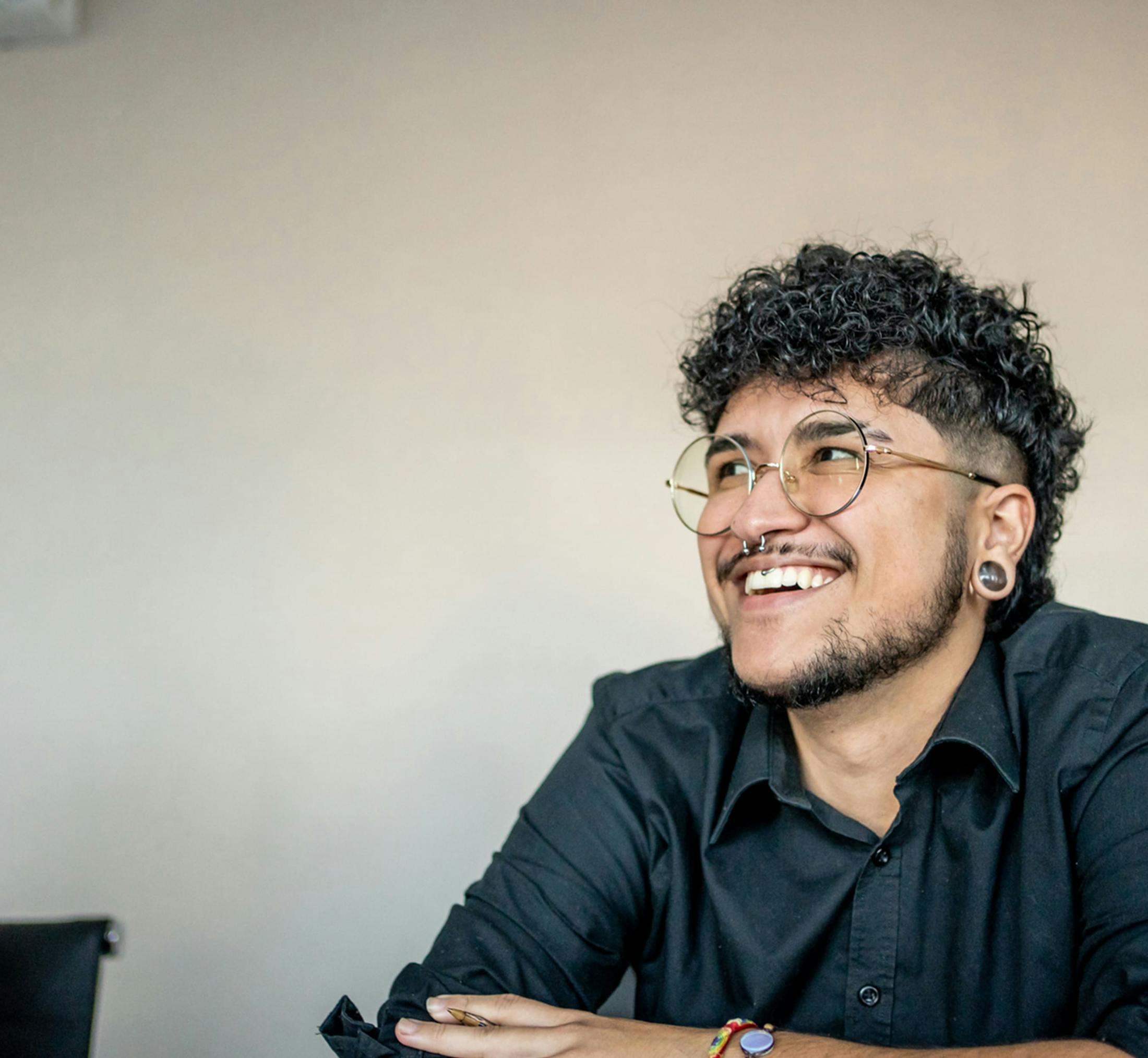
Person looking off to the side

Benefits of Transgender Hair Grafting

Transgender hair grafting offers both restorative and aesthetic enhancement.

  • Restores hair density in thinning areas.
  • Refines and reshapes the hairline.
  • Supports feminine or masculine facial framing goals.
  • Uses your own natural hair follicles.
  • Provides long-lasting, natural-looking results.

What Transgender Hair Grafting Can Address

Hair grafting is designed to improve concerns related to hairline shape, density, and overall facial harmony.

  • Hairline recession that affects facial framing and gender presentation, helping create a more balanced appearance.
  • Thinning hair or reduced density in targeted areas of the scalp.
  • Masculine or feminine hairline patterns that do not align with personal identity goals.
  • Uneven or asymmetrical hair growth, creating smoother and more consistent contours.
  • Desire for a softer or more structured hairline, depending on aesthetic preferences.

Hairline Design in Transgender Hair Grafting

Hairline planning is one of the most important aspects of transgender hair restoration.

Feminizing Hairline Design

A feminizing hairline typically lowers and rounds the hairline to create softer facial framing.

Masculinizing Hairline Design

A masculinizing hairline often emphasizes stronger angles and a more structured appearance.

Natural Density and Direction

Hair follicles are strategically placed to match natural growth patterns and ensure realistic results.

Your provider will design a customized approach based on your goals and facial structure.

Background media

Types of Hair Grafting Techniques

Different hair restoration methods may be used depending on your needs.

Follicular Unit Extraction (FUE)

FUE removes and transfers individual follicles with minimal scarring and downtime.

Follicular Unit Transplantation (FUT)

FUT involves removing a strip of donor hair that is separated into grafts for transplantation.

Customized Graft Placement

Each graft is strategically positioned to create natural density, contour, and flow.

Your provider will determine the most appropriate technique based on your hair characteristics and treatment goals.

Your Consultation

Your consultation for transgender hair grafting in Pasadena at SOMA is an essential step in developing your personalized treatment plan. During this appointment, your provider will evaluate your hair density, donor hair availability, hairline pattern, and overall goals. You will discuss your desired aesthetic outcome and determine the most appropriate restoration approach. This consultation ensures that your treatment plan is fully customized and aligned with your expectations.

Abstract art

Who Is a Good Candidate for Transgender Hair Grafting?

Transgender hair grafting may be appropriate for individuals seeking hair restoration or hairline reshaping as part of their aesthetic or gender-affirming goals. Candidates are typically in good overall health and have sufficient donor hair available for transplantation.

It is ideal for patients seeking natural-looking, long-term enhancement. A professional evaluation is necessary to determine candidacy and the most appropriate treatment plan.

What to Expect During the Procedure

Transgender hair grafting is performed in a procedural setting and may take several hours, depending on the number of grafts being transplanted.

Anesthesia

Local anesthesia is used to ensure comfort throughout the procedure.

Follicle Harvesting

Healthy follicles are carefully removed from donor areas of the scalp.

Strategic Graft Placement

Hair follicles are implanted with attention to direction, density, and hairline contour.

Precision and Balance

Every graft is placed carefully to create natural-looking integration and facial harmony.

Background media

Schedule A Consultation

Contact us media

Recovery After Transgender Hair Grafting

Recovery after transgender hair grafting in Pasadena is generally manageable, with most patients returning to normal routines within a few days. Patients can expect mild redness, swelling, or sensitivity during the initial healing phase.

Aftercare

Following post-procedure instructions, including proper scalp care and activity restrictions, is essential for optimal healing and graft survival.

Results Over Time

Transplanted hairs typically shed initially before new growth develops gradually over several months.

Background media

How Long Do Transgender Hair Grafting Results Last?

Transgender hair grafting results are long-lasting because the transplanted follicles continue to grow naturally over time.

With proper care and maintenance, results can provide lasting improvement in density and hairline shape.

A Personalized Approach to Transgender Hair Grafting in Pasadena

Transgender hair grafting is about more than restoring hair. It is about creating facial framing and balance that align with your identity and aesthetic goals. At SOMA, every treatment plan is tailored to your anatomy, hair characteristics, and vision to ensure natural-looking, individualized results. By focusing on thoughtful planning and precision, the goal is to create hair restoration outcomes that feel authentic and confidence-building.

Banner media
Doctor media

Why Choose SOMA for Transgender Hair Grafting in Pasadena?

SOMA offers transgender hair grafting procedures in Pasadena within a highly personalized, medically guided care model focused on precision and natural-looking results.

Each patient receives a customized treatment plan designed to refine hairline shape and improve overall facial harmony. With a commitment to respectful care and advanced restoration techniques, SOMA delivers an elevated experience from consultation through results.

Transgender Hair Grafting Frequently Asked Questions

Can hair grafting reshape my hairline?

Yes, hair grafting can restore density and reshape the hairline to better align with your goals.

Will the results look natural?

Yes, follicles are placed strategically to match natural hair growth patterns and density.

How long does it take to see new hair growth?

Initial growth typically begins within several months, with continued improvement over time.

Will there be visible scarring?

Modern hair restoration techniques are designed to minimize visible scarring.

Can transgender hair grafting be combined with other procedures?

Yes, it is often combined with facial feminization, facial masculinization, or other gender-affirming treatments depending on your goals.

The Standard ofModern Aesthetics

Begin your personalized journey toward refined aesthetics, wellness, and long-term vitality with the SOMA team.

Schedule a Consultation
Contact us media
Accessibility: If you are vision-impaired or have some other impairment covered by the Americans with Disabilities Act or a similar law, and you wish to discuss potential accommodations related to using this website, please contact our Accessibility Manager at 310. 388. 1851.
Contact Us