A Subtle, Natural Approach to Breast Enhancement

At The Standard of Modern Aesthetics (SOMA), implant-free augmentation offers an alternative for patients seeking enhancement without traditional implants. This technique focuses on refining shape and adding modest volume using your own tissue, resulting in a softer, more natural look and feel. Every treatment is carefully planned to align with your anatomy and long-term goals. Schedule your consultation with SOMA to explore whether fat transfer breast augmentation is right for you.

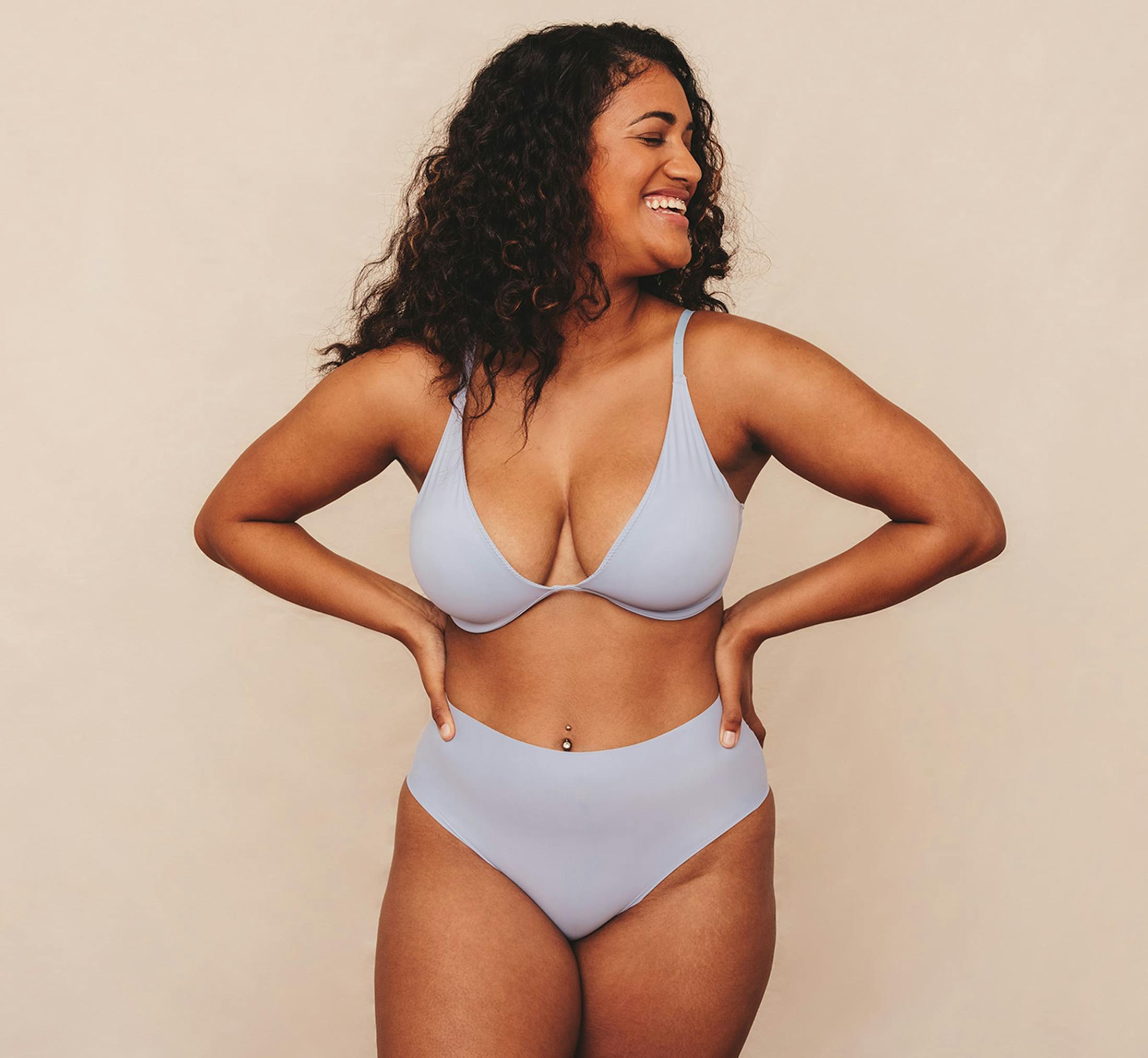
woman smiling with hands on hips

What Is Implant-Free Augmentation (Fat Transfer)?

Implant-free augmentation, also known as fat transfer breast augmentation, is a procedure that uses liposuction to remove fat from one area of the body and transfer it to the breasts. The purified fat is then strategically injected to enhance volume, improve contour, and create a more balanced appearance.

This approach avoids the use of implants and instead relies on your body’s own tissue to achieve subtle, natural-looking results. Because it involves both fat removal and placement, it can also provide contouring benefits in areas such as the abdomen, flanks, or thighs. At SOMA, this procedure is performed with a focus on precision, ensuring that fat is placed in a way that supports long-term survival and natural integration.
Benefits of Implant-Free Augmentation

For patients seeking a more natural alternative to implants, fat transfer breast augmentation offers several advantages.

  • Enhances breast volume using your body’s own fat rather than synthetic implants.
  • Provides a natural look and feel that integrates with existing breast tissue.
  • Simultaneously contours donor areas such as the abdomen or thighs.
  • Avoids implant-related concerns such as rupture or long-term maintenance.
  • Allows for subtle, controlled enhancement that aligns with natural proportions.
Banner media

How Fat Transfer Works

The fat transfer process involves multiple carefully coordinated steps to ensure both safety and effectiveness.

Fat Harvesting

Fat is first removed using liposuction from areas where excess fat is present. Common donor sites include the abdomen, flanks, and thighs. This step not only provides the material for augmentation but also improves contour in the treated areas.

Purification and Preparation

Once harvested, the fat is processed and purified to isolate healthy, viable fat cells. This step is essential for ensuring that the transferred fat survives and integrates properly.

Precise Injection

The purified fat is then strategically injected into the breasts in small amounts and layers. This technique helps promote blood supply to the transferred fat, increasing the likelihood of long-term retention.

Quote media

“Dr. Joseph is absolutely amazing. What a gifted surgeon and genuinely kind man. He listened thoroughly to my concerns and proposed some procedures to achieve my goals.”

— Mare J.

Your Consultation

Your consultation at SOMA is designed to determine whether fat transfer is the most appropriate approach for your goals. You will meet with a board-certified surgeon who will evaluate your breast anatomy, available donor fat, and desired level of enhancement. Because fat transfer typically provides a modest increase in volume, it is important to align expectations with what the procedure can realistically achieve. This consultation also includes a discussion of body contouring areas, as the quality and quantity of donor fat play a key role in the outcome.

abstract art

Who Is a Good Candidate for Fat Transfer Breast Augmentation?

Fat transfer is best suited for individuals who are looking for a subtle increase in breast volume rather than a dramatic size change. Candidates should have sufficient donor fat available and be in good overall health.

It is also important to have realistic expectations about the level of enhancement, as fat transfer typically increases breast size by about one cup size or less. Patients who prefer a natural approach and want to avoid implants often find this procedure to be a strong fit.

What to Expect During Your Procedure

Fat transfer breast augmentation is performed under anesthesia as an outpatient procedure.

Dual-Focus Technique

The procedure combines liposuction and fat grafting, meaning two areas are treated simultaneously—the donor site and the breasts. This requires careful planning to ensure both areas are addressed with precision.

Gradual Volume Building

Because not all transferred fat survives, surgeons often take a conservative approach to avoid overfilling. In some cases, patients may choose to undergo additional sessions to gradually build volume over time. Every step is performed with attention to symmetry, contour, and long-term results.

Background media

Schedule A Consultation

Contact us media

Recovery After Fat Transfer Breast Augmentation

Recovery involves healing in both the donor areas and the breasts, though most patients find the process manageable. In the first few days, swelling, bruising, and mild discomfort are common, particularly in the areas where liposuction was performed. These symptoms improve steadily with proper care. Most patients return to light activities within about a week, while more strenuous activity should be avoided for several weeks.

Fat Retention and Final Results

Not all transferred fat will survive, and some reabsorption is expected in the months following the procedure. The fat that remains becomes a permanent part of the breast tissue. Final results become more apparent as swelling resolves and the remaining fat stabilizes, typically over several months.

Background media

Combining Fat Transfer With Other Procedures

Fat transfer breast augmentation can be combined with other procedures to achieve a more comprehensive result. Some patients choose to pair fat transfer with a breast lift to improve both shape and position. Others may combine it with additional body contouring treatments to further refine the donor areas. Because SOMA operates within a fully integrated care model, these combinations are planned cohesively, ensuring consistent outcomes and a streamlined experience.

Doctor media

Why Choose SOMA?

SOMA offers implant-free augmentation within a medically guided, fully integrated environment led by board-certified surgeons. Each procedure is planned with precision, combining advanced fat transfer techniques with a broader understanding of body contour and long-term results. Patients benefit from coordinated care, thoughtful planning, and a level of oversight that ensures consistency from consultation through recovery. Contact SOMA today to explore a natural, expert-led approach to breast enhancement without implants.

Breast Augmentation (Fat Transfer) Frequently Asked Questions

How much volume can be added with fat transfer?

Fat transfer typically provides a modest increase in size, often up to one cup size, depending on the amount of available donor fat.

Is the transferred fat permanent?

The fat that successfully integrates with the surrounding tissue becomes permanent, though some initial reabsorption is expected.

Will I lose weight in the treated areas?

The areas where fat is removed are permanently reduced, though future weight changes can still affect overall body composition.

Can fat transfer replace implants completely?

For patients seeking subtle enhancement, fat transfer can be a complete alternative, but it may not achieve the same level of volume as implants.

Are there any risks of lumps or unevenness?

When performed with proper technique, the risk is minimized, and careful placement helps ensure smooth, natural results.

The Standard ofModern Aesthetics

Begin your personalized journey toward refined aesthetics, wellness, and long-term vitality with the SOMA team.

Schedule a Consultation
Contact us media
Accessibility: If you are vision-impaired or have some other impairment covered by the Americans with Disabilities Act or a similar law, and you wish to discuss potential accommodations related to using this website, please contact our Accessibility Manager at 310. 388. 1851.
Contact Us