Refine Ear Shape and Position With Subtle Precision

At The Standard of Modern Aesthetics (SOMA), ear surgery is approached with careful attention to proportion and natural appearance. Whether addressing ears that protrude, appear asymmetrical, or have developed structural concerns, the goal is to create a result that feels balanced without drawing attention to the change itself. Each treatment plan is tailored to your anatomy for a refined and understated outcome.

Schedule your consultation with SOMA to explore a personalized approach to ear surgery.

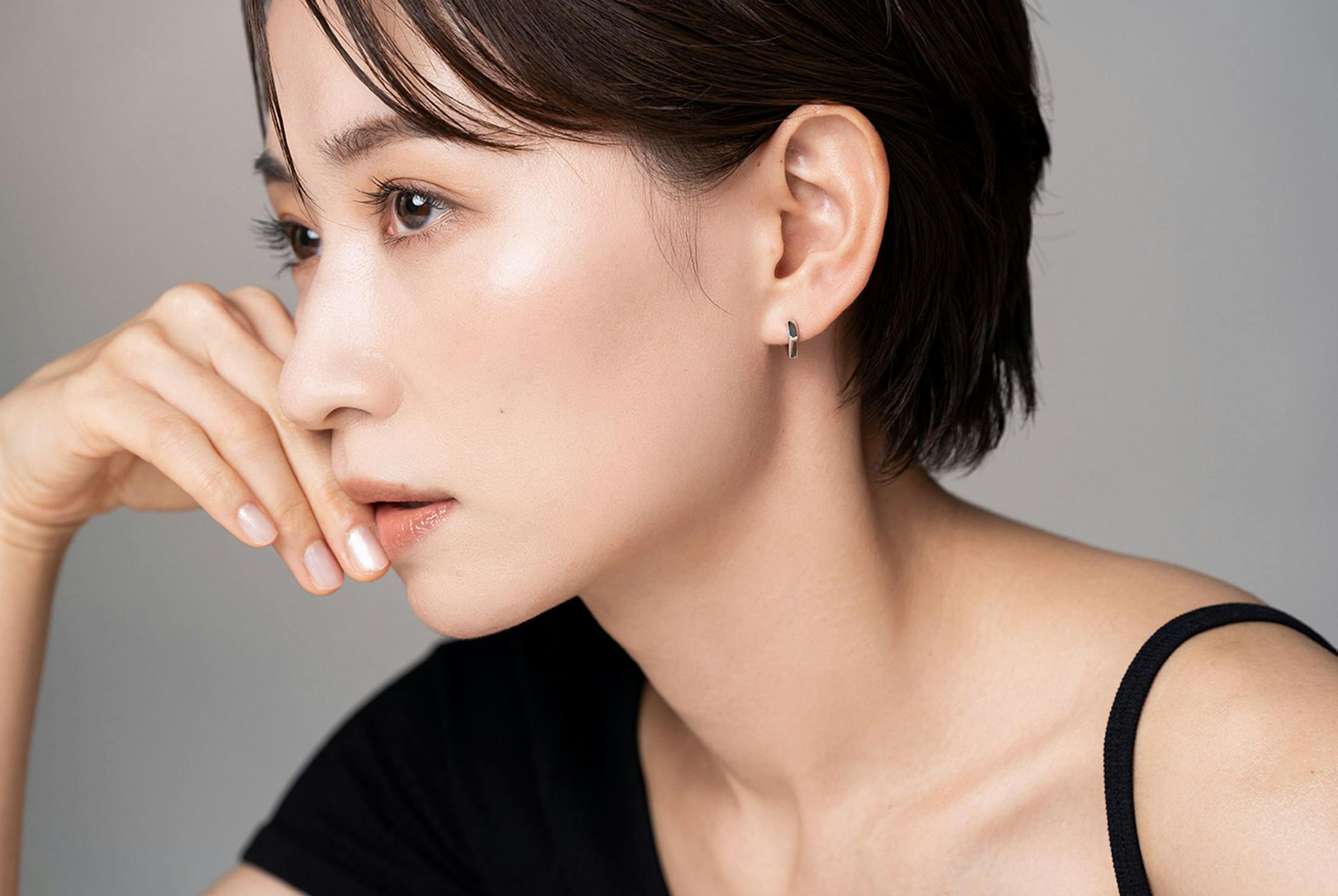
Woman's side profile

What Is Ear Surgery?

Ear surgery, also known as otoplasty, is a procedure that reshapes, repositions, or resizes the ears to improve their appearance and alignment with the head. It is commonly performed to correct ears that protrude outward, appear uneven, or have irregular contours.

The procedure focuses on adjusting the cartilage structure of the ear to create a more natural position and shape. At SOMA, ear surgery is performed with an emphasis on subtle refinement, ensuring that the ears complement the face without becoming a focal point.
Benefits of Ear Surgery

Ear surgery can improve facial balance and reduce self-consciousness related to ear shape or position.

  • Creates a more balanced and proportionate facial appearance.
  • Repositions protruding ears closer to the head.
  • Provides long-lasting results with minimal visible scarring.
  • Improves symmetry between the ears.
  • Refines the shape and contour of the ear structure.
Banner media

Common Concerns Addressed With Ear Surgery

Protruding Ears

One of the most common reasons patients seek ear surgery is to correct ears that extend outward from the head. This can be due to cartilage shape or lack of natural folds.

Asymmetry

Some patients have ears that differ in size, shape, or position. Ear surgery can create a more balanced and symmetrical appearance.

Irregular Shape or Contour

In some cases, the ear may have an unusual shape due to genetics, injury, or prior surgery. Otoplasty can refine the contour to create a more natural look.

Your Consultation

Your consultation at SOMA is designed to be detailed and individualized, ensuring that your concerns are clearly understood. You will meet with a board-certified surgeon who will evaluate ear position, shape, cartilage structure, and overall facial balance. This includes assessing how the ears relate to the rest of your features. This process allows for a clear and thoughtful treatment plan that aligns with your goals while maintaining a natural result.

abstract art
Quote media

“As a small business owner for over 20 years and being in the service industry, I know all too well how sometimes, no matter how hard you try to provide the excellent service that your clients need, things happen... However, what matters is what you do about it to fix it. A very professional person, Robin from Dr. Rogers' office, reached out to me and, after listening to me and what had happened, apologized, sympathized, and offered a few options and solutions, all complimentary. Yesterday I went for my first correction treatment and had the pleasure of meeting one of the finest RN's, Elissa Squire. The level of professionalism that I experienced was exceptional. Sometimes a mistake or misunderstanding handled so right and professionally could make a disgruntled client a raving fan, which I am now. My sincere gratitude to Robin and RN, Elissa, and Dr. Rogers for such treatment. Your raving fan.”

— Alice S.

Who Is a Good Candidate for Ear Surgery?

Ear surgery is ideal for individuals who are concerned about the position, size, or shape of their ears. Candidates are typically in good overall health and have realistic expectations about the outcome.

While the procedure is commonly performed in younger patients, adults also frequently benefit from this treatment. Those seeking a subtle improvement that enhances overall facial balance are often strong candidates.

What to Expect During Your Ear Surgery Procedure

Ear surgery is typically performed under local anesthesia with sedation or general anesthesia, depending on the complexity of the case.

Cartilage Reshaping

The surgeon carefully reshapes or repositions the cartilage to create a more natural contour. This may involve folding, trimming, or securing the cartilage in a new position.

Incision Placement

Incisions are usually placed behind the ear, allowing for access to the cartilage while keeping scars well hidden.

Precision and Symmetry

Throughout the procedure, careful attention is given to symmetry and proportion. The goal is to create a result that looks natural from all angles.

Schedule A Consultation

Contact us media

Ear Surgery Recovery

Recovery after ear surgery is generally straightforward, with most patients returning to normal activities relatively quickly. In the initial phase, patients may experience mild swelling, tenderness, and a feeling of tightness around the ears. A protective dressing or headband is often worn temporarily to support healing. Most individuals can resume light activities within a few days, while more strenuous activities should be avoided for a couple of weeks.

Long-Term Results

As healing progresses, the ears settle into their new position, and any swelling gradually resolves. The results are long-lasting and typically permanent. SOMA emphasizes follow-up care to ensure proper healing and consistent outcomes.

Background media

Ear Surgery and Facial Balance

The ears play an important but often overlooked role in overall facial balance. Even small adjustments in position or shape can have a noticeable impact on how the face is perceived.

At SOMA, ear surgery is always considered within the context of the entire face. This ensures that the results enhance overall harmony rather than drawing attention to a single feature.

Doctor media

Why Choose SOMA?

SOMA offers ear surgery within a medically integrated, surgeon-led environment focused on precision and natural results. Board-certified providers bring advanced experience in facial procedures, ensuring that each treatment plan is tailored to the individual’s anatomy and goals. With a collaborative approach and consistent follow-up, patients receive thoughtful, high-quality care throughout every stage of treatment. Contact SOMA today to begin a personalized, expert-led approach to refining ear shape and position.

Ear Surgery Frequently Asked Questions

Will ear surgery leave visible scars?

Incisions are typically placed behind the ear, where they are well concealed. Over time, these scars usually fade and become difficult to notice.

How long do the results of ear surgery last?

The results are generally permanent because the cartilage is reshaped and secured in its new position.

Is ear surgery painful?

Most patients experience mild to moderate discomfort in the first few days, which is manageable and improves quickly with proper care.

Can ear surgery fix asymmetry completely?

Ear surgery can significantly improve symmetry, though perfect symmetry is not always achievable due to natural anatomical differences.

How soon can I return to work or school after ear surgery?

Many patients return to normal activities within a few days to a week, depending on their comfort level and the extent of the procedure.

The Standard ofModern Aesthetics

Begin your personalized journey toward refined aesthetics, wellness, and long-term vitality with the SOMA team.

Schedule a Consultation
Contact us media
Accessibility: If you are vision-impaired or have some other impairment covered by the Americans with Disabilities Act or a similar law, and you wish to discuss potential accommodations related to using this website, please contact our Accessibility Manager at 310. 388. 1851.
Contact Us