Refining Upper Body Proportion With Precision

At The Standard of Modern Aesthetics (SOMA), clavicle shoulder shortening is approached with careful planning and an understanding of how shoulder width influences overall body balance. The goal is to create a more tapered, proportionate upper body that aligns with your identity while preserving strength and function. Each procedure is tailored to your anatomy to ensure a natural, cohesive result. Schedule your consultation with SOMA to explore a personalized approach to clavicle shoulder shortening.

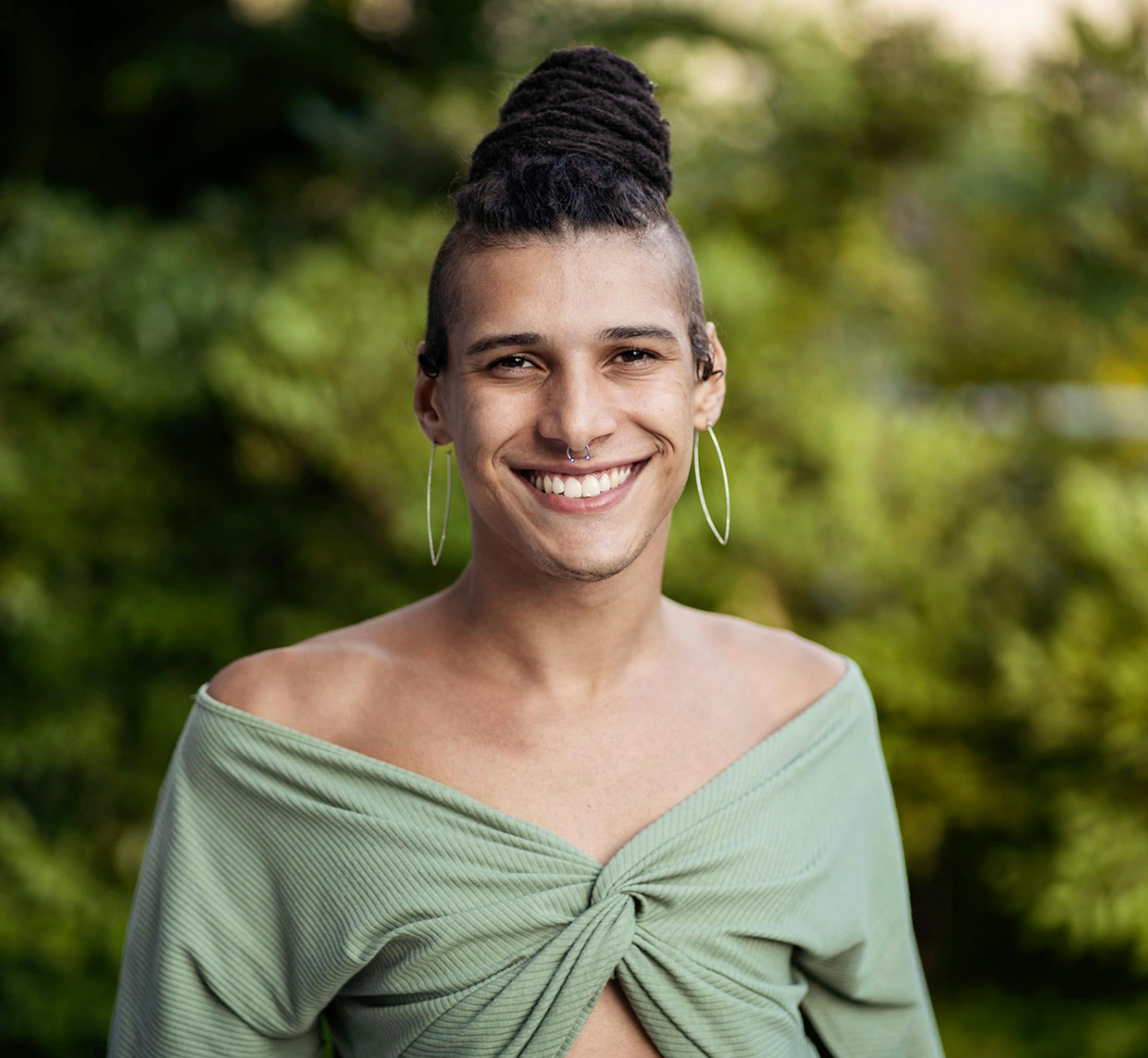
Person smiling

What Is Clavicle Shoulder Shortening?

Clavicle shoulder shortening is a surgical procedure that reduces the length of the clavicle bones (collarbones), resulting in a narrower shoulder width and a softer upper body silhouette. This procedure is often pursued as part of gender-affirming care or by individuals seeking a more proportionate shoulder-to-waist ratio.

At SOMA, the approach focuses on precise bone adjustment to achieve the desired contour while maintaining structural integrity and mobility. Because the clavicle plays a central role in shoulder movement, this procedure requires a highly controlled and thoughtful surgical approach.


Benefits of Clavicle Shoulder Shortening

Clavicle shoulder shortening can create meaningful changes in upper body proportion when performed with precision.

  • Improves proportion between the shoulders, waist, and hips.
  • Enhances overall body silhouette and balance.
  • Aligns physical structure more closely with personal identity.
  • Provides long-lasting structural results.
  • Reduces shoulder width for a more tapered upper body appearance.
Banner media

How the Procedure Works

Clavicle shortening is a complex orthopedic-based procedure adapted to achieve aesthetic and structural goals.

Bone Reshaping and Reduction

A segment of the clavicle is carefully removed or adjusted to reduce overall length. The remaining bone is then repositioned to maintain alignment.

Stabilization

The clavicle is secured using specialized fixation techniques to ensure proper healing and stability throughout recovery.

Precision Planning

The amount of shortening is carefully determined based on your anatomy and goals, ensuring that the final result remains balanced and functional.

Quote media

“FANTASTIC EXPERIENCE! Why did I wait so long to do this?!”

— KC S.

Your Consultation

Your consultation at SOMA is designed to be detailed and individualized, given the complexity of this procedure. You will meet with a board-certified surgeon who will evaluate your skeletal structure, shoulder alignment, and overall body proportions. This includes a thorough discussion of your goals and the expected outcome. Because this procedure affects both appearance and function, careful planning is essential to ensure a safe and effective result.

abstract art

Who Is a Good Candidate for Clavicle Shoulder Shortening?

Clavicle shoulder shortening is ideal for individuals seeking to reduce shoulder width as part of body contouring or gender-affirming care. Candidates are typically in good overall health and have realistic expectations about the outcome. Those committed to following post-operative care and recovery protocols are often the best candidates. Patients seeking a more balanced and proportionate upper body often benefit most from this procedure.

What to Expect During Your Procedure

Clavicle shoulder shortening is performed under general anesthesia as an outpatient surgical procedure.

Surgical Adjustment

The clavicle is accessed and carefully shortened to achieve the desired reduction in width. Precision is critical to maintaining proper alignment.

Fixation and Support

The bone is stabilized using fixation devices to ensure it heals correctly in its new position.

Focus on Function and Balance

Throughout the procedure, attention is given to preserving shoulder mobility and strength while achieving the intended contour.

Background media

Schedule A Consultation

Contact us media

Clavicle Shoulder Shortening Recovery

Recovery from clavicle shoulder shortening requires a structured healing period to allow the bone to stabilize. In the initial phase, patients may experience swelling, discomfort, and limited shoulder movement. These symptoms are expected and improve gradually with proper care. Activity is reintroduced over time, with guidance to ensure safe recovery and maintenance of function.

Long-Term Results

As healing progresses, the shoulders settle into their new position, creating a more refined upper body contour. Results are long-lasting once the bone has fully healed. SOMA emphasizes ongoing follow-up care to support healing and ensure optimal outcomes.

abstract art

A Structured and Balanced Approach

Clavicle shoulder shortening is a highly specialized procedure that requires careful coordination between surgical planning and recovery.

At SOMA, the process is managed within an integrated care model, ensuring that each phase—from surgery through healing—is closely monitored. This approach supports both safety and consistency in the final result.

Doctor media

Why Choose SOMA?

SOMA offers clavicle shoulder shortening within a medically integrated, surgeon-led environment focused on precision, safety, and long-term outcomes. Board-certified providers bring advanced experience in complex structural procedures, ensuring that each plan is tailored to the individual’s anatomy and goals. With a collaborative approach and consistent follow-up, patients receive thoughtful, high-quality care throughout every stage of treatment.

Clavicle Shoulder Shortening Frequently Asked Questions

How much can the shoulders be narrowed?

The amount of reduction depends on your anatomy and safety considerations. This is determined during your consultation to ensure a balanced and functional result.

Will I lose strength or mobility after the procedure?

With proper healing and rehabilitation, most patients regain normal shoulder function. Temporary limitations are expected during recovery.

Is the procedure permanent?

Yes, once the clavicle has healed in its shortened position, the results are permanent.

How long is the recovery process?

Recovery involves several weeks of limited activity, followed by gradual return to normal movement. Full healing takes longer as the bone stabilizes.

Is the procedure painful?

Some discomfort is expected during the recovery period, but it is managed with appropriate care and monitoring throughout the process.

Social feed media

Stay Connected With Us

Social feed media
Social feed media
Social feed media
Social feed media

The Standard ofModern Aesthetics

Begin your personalized journey toward refined aesthetics, wellness, and long-term vitality with the SOMA team.

Schedule a Consultation
Contact us media
Accessibility: If you are vision-impaired or have some other impairment covered by the Americans with Disabilities Act or a similar law, and you wish to discuss potential accommodations related to using this website, please contact our Accessibility Manager at 310. 388. 1851.
Contact Us